The challenge
← All projects 
Case Study
ParkZen
Find a parking spot, pay, and get a reminder before you overstay.
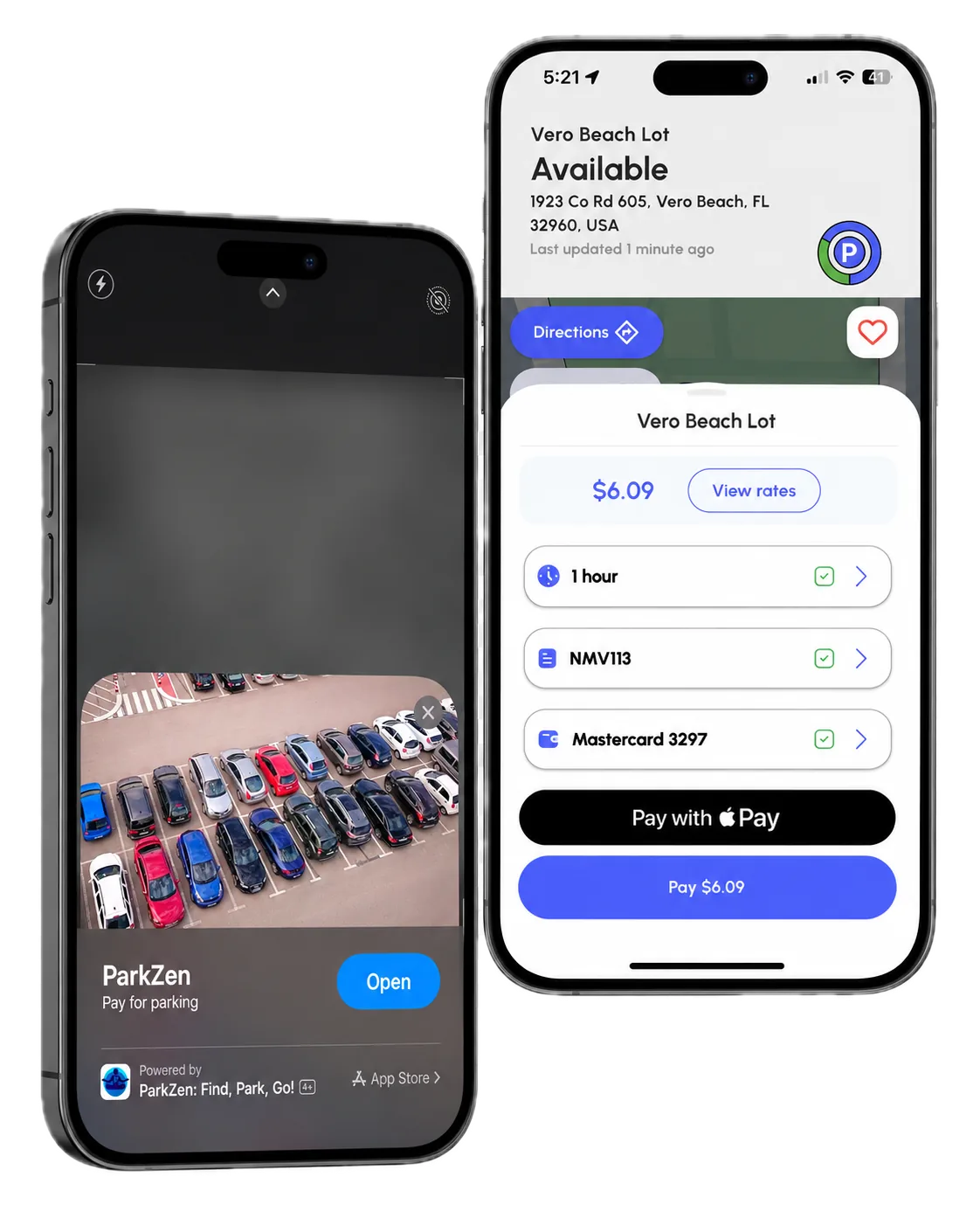
ParkZen gives drivers one flow for finding, paying for, and managing parking.
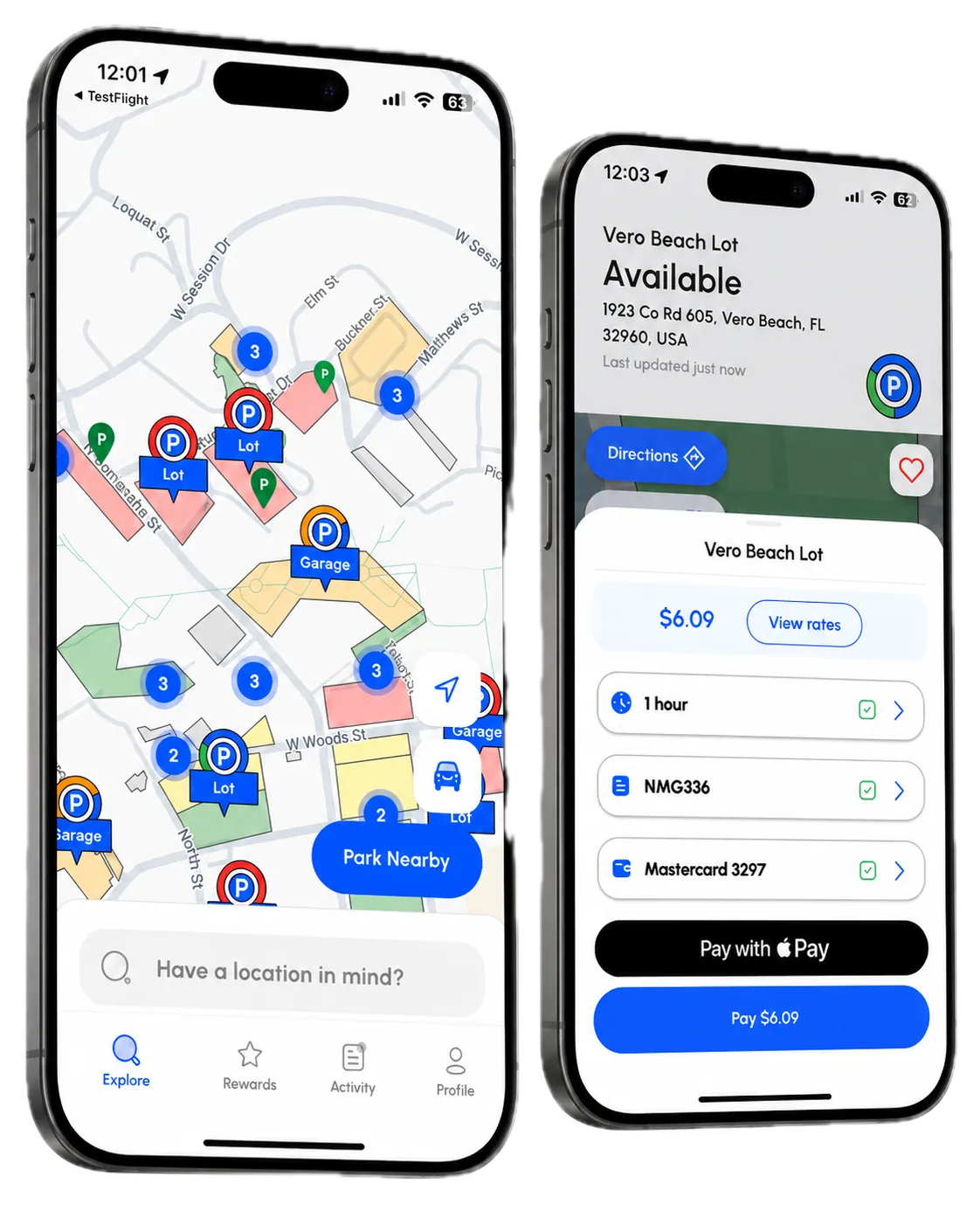
Why ParkZen exists
The approach
Put live availability, payment, parked car location, reminders, and rewards in one app.
Key features
01
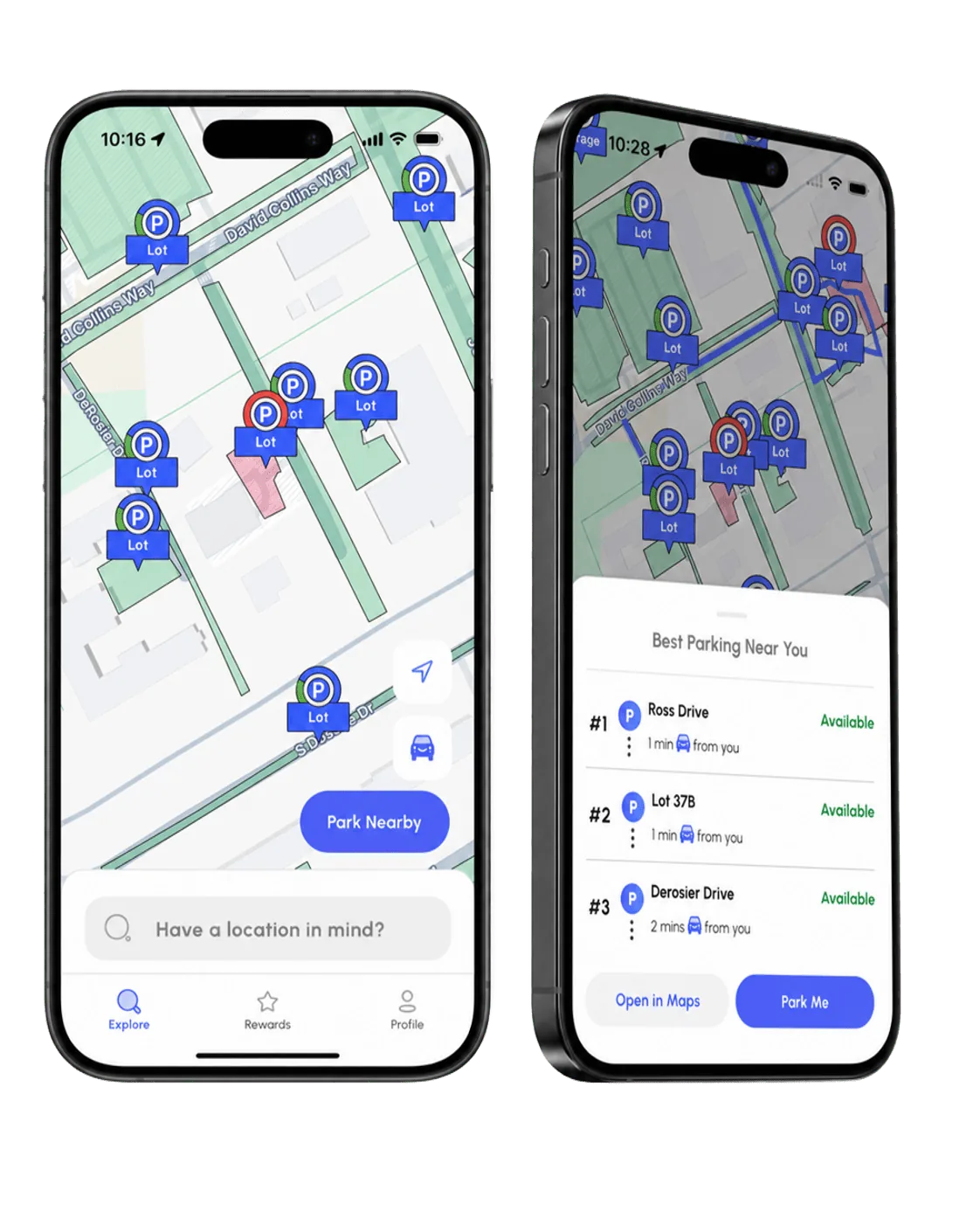
Smart parking guidance
Use live availability to navigate to open spots instead of circling busy areas.
02
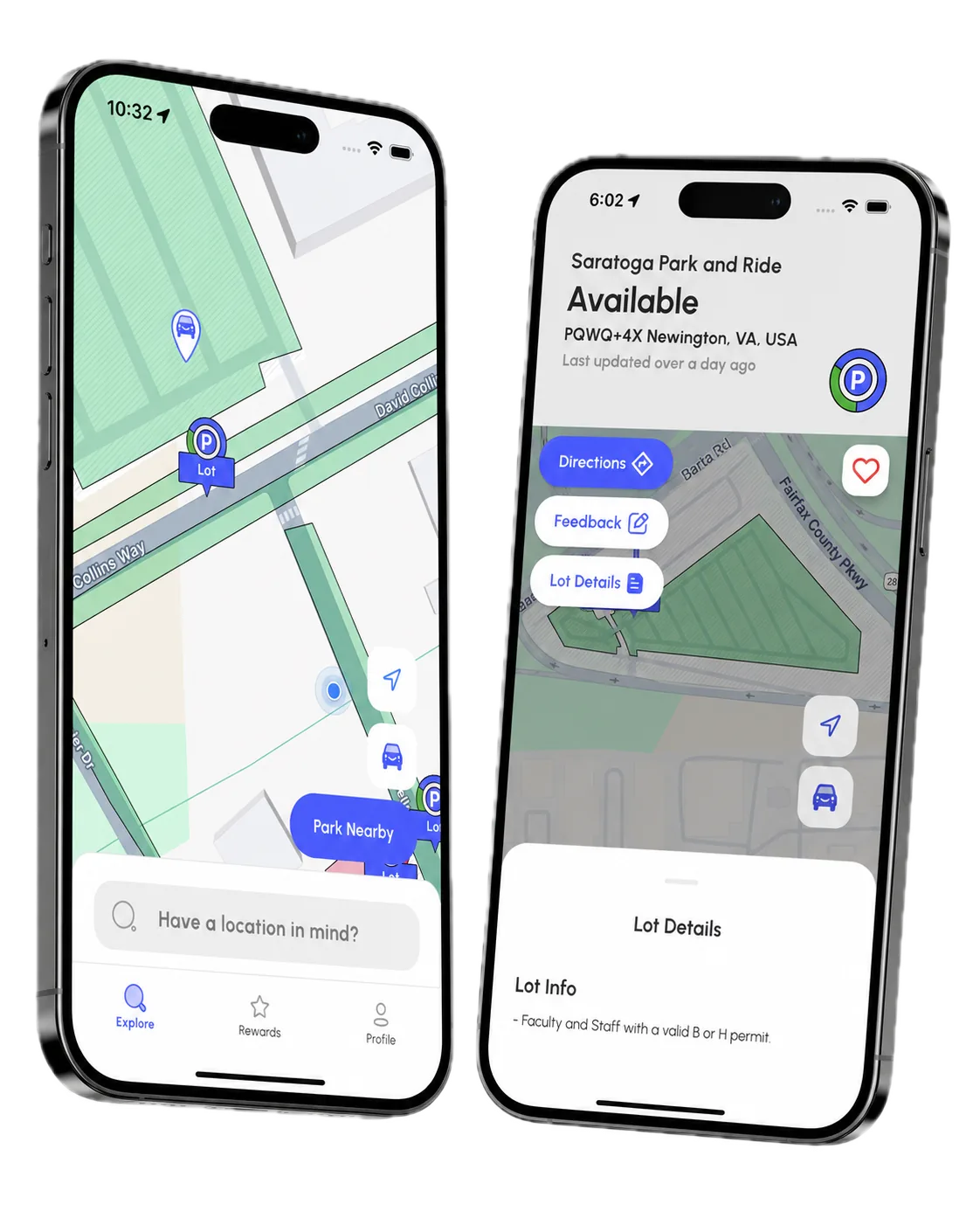
Parked car location and citation reminders
Automatically save the car's location and get reminders before a parking session expires.
03
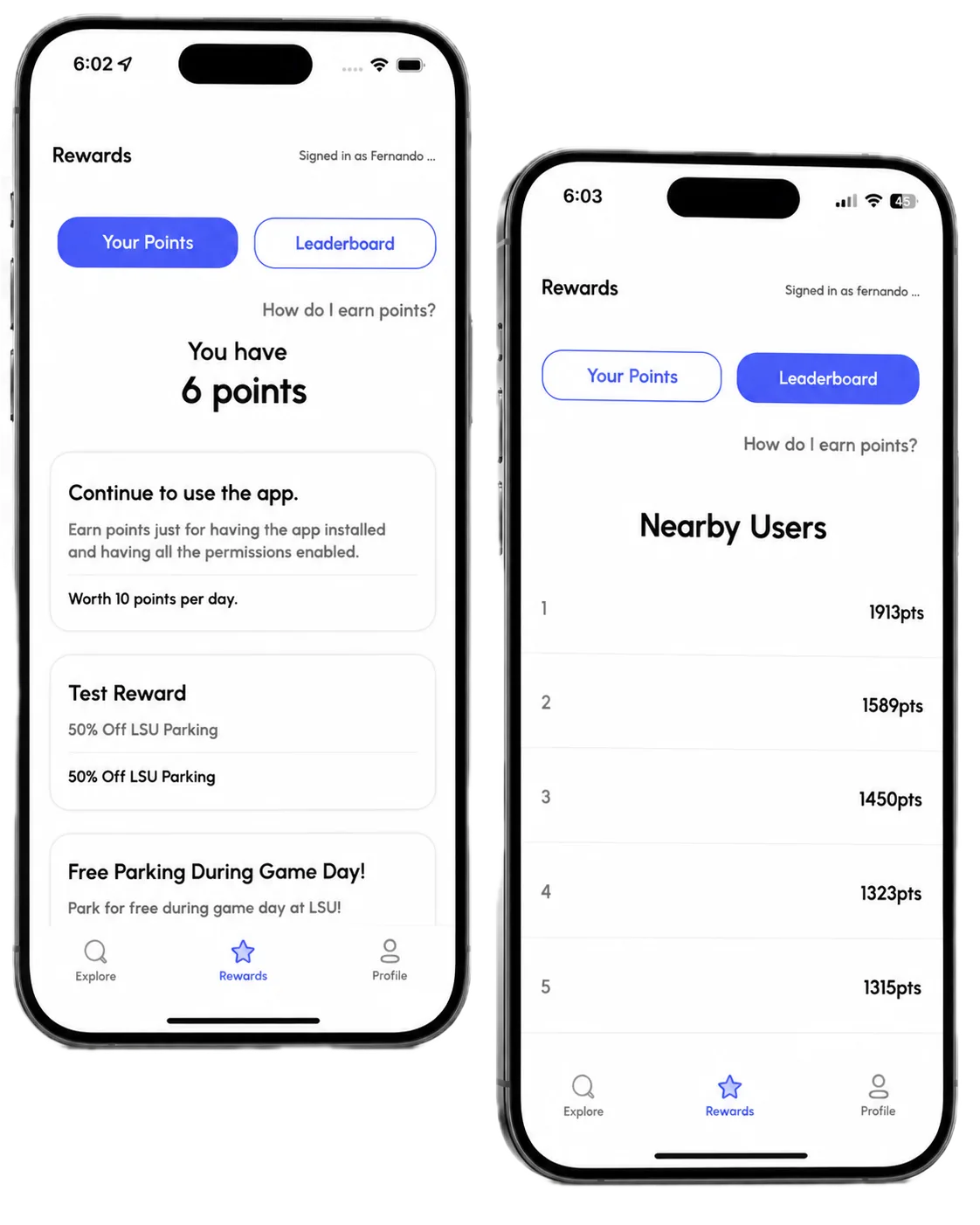
Rewards & points
Earn points and rewards when parking at participating locations.
04
Pay without a download
Use the App Clip or web version for quick parking-session payments, or the full app for the broader parking tools.
What I built
A parking platform that connects mobile experiences, payments, maps, and supporting systems into one dependable product.

Mobile / App
- Built native Swift and Kotlin detection logic that combines geofencing, speed, location, and AI to identify parking and vacancy events, including when the app is terminated.
- Built the mobile app experience across accounts, payments, maps, App Clips, CarPlay, Android Auto, and remote notifications.
Platform / Systems
- Contributed to dashboard features and REST API integrations that support the parking app.
- Contributed to database architecture and implementation across Firebase NoSQL and PostgreSQL systems.
Release / Operations
- Contributed to CI/CD workflows for production releases across 15+ white-label apps for universities and airports.
- Implemented production monitoring with structured logs, alerts, and operational dashboards to help detect and resolve issues quickly.
Engineering decisions
The choices that keep parking discovery, payment, and location-aware actions useful in the moments drivers need them.
Combine signals and AI for parking detection
Geofencing, speed, and location signals feed an AI assisted detector that determines whether a vehicle has parked or vacated. Native Swift and Kotlin logic can keep evaluating those signals when the app is terminated.
Move beyond Firebase as the platform grew
Firebase worked well at the start. As ParkZen needed to integrate inside other native apps and avoid vendor lock in, the platform moved toward PostgreSQL and a more portable backend architecture.
Design for white label clients from the start
Shared product behavior stays general, while configuration and feature flags let each client enable the parking, payment, and mobility features its branded app needs without separate codebases.